Stress feels emotional. Personal. Situational.
But inside your body, stress is mechanical. Chemical. Electrical.
Your brain sends signals. Hormones change. Blood vessels tighten. Heart rhythm shifts. Temperature regulation adjusts. Breathing patterns change. Muscles prepare for action.
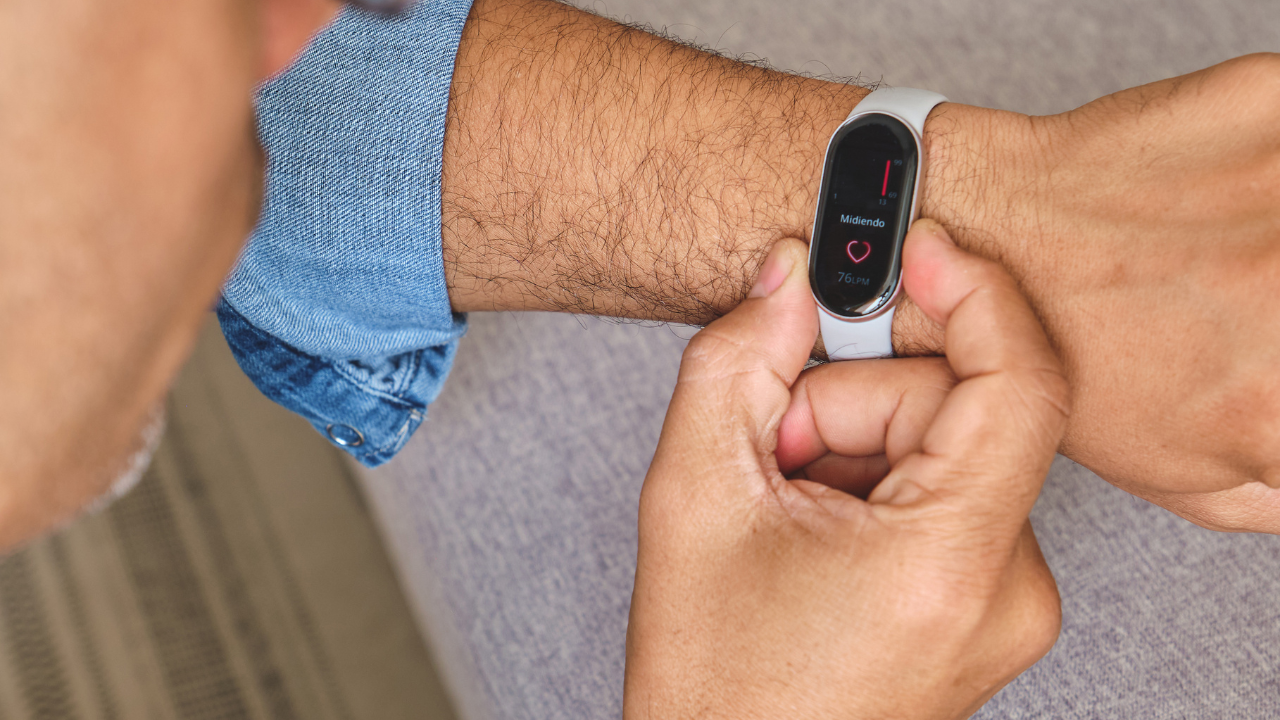
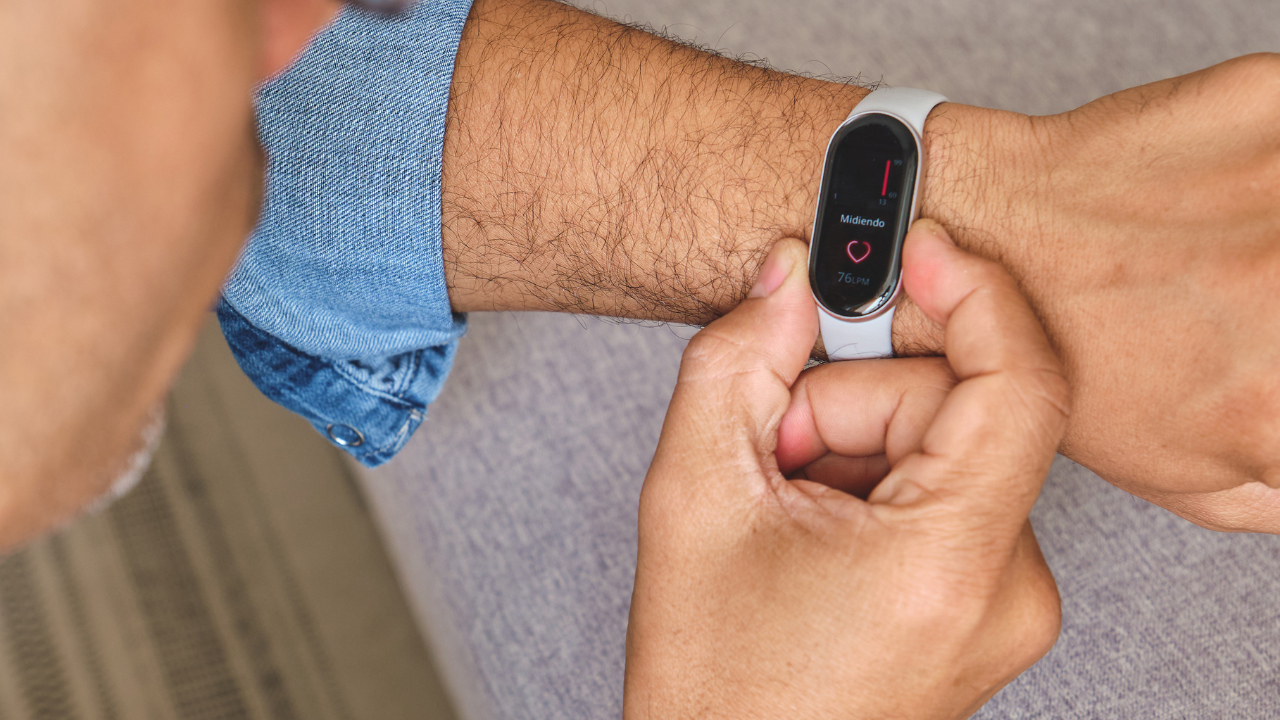
Wearables don’t measure your thoughts. They measure the body signals that happen when your nervous system decides you need to be alert.
That’s why your device can flag stress when you feel fine. And why it sometimes shows calm when your brain feels busy.
Understanding how stress is detected — and why scores change during travel, illness, or weird “tired but wired” days — turns stress tracking from confusing to genuinely useful.
Stress Starts in the Nervous System, Not Your Calendar
Most people think stress comes from external pressure: deadlines, arguments, financial worries.
Your body doesn’t see stress that way.
Your nervous system has two main operating modes:
Sympathetic: action, alertness, survival
Parasympathetic: recovery, digestion, restoration
When your brain senses threat or demand, even subtle demand, the sympathetic system increases activity. Heart rate changes. Blood flow shifts. Hormones like cortisol and adrenaline rise.
This can happen from:
Emotional stress
Physical illness
Travel disruption
Poor sleep
Intense training
Dehydration
Blood sugar swings
Wearables track the downstream effects of this shift.
The Core Metric: Heart Rate Variability (HRV)
HRV sounds technical. The concept is simple.
Your heart does not beat like a metronome. The time between beats changes constantly. That variation reflects how flexible your nervous system is in that moment.
High HRV generally means:
Good recovery capacity
Balanced nervous system activity
Lower physiological stress
Low HRV often means:
Body is under load
Recovery resources are being used
Stress response is active
Most wearables measure HRV overnight because movement interferes with signal quality.
The important insight most people miss: HRV is deeply personal. Your baseline matters more than population averages.
Skin Temperature: The Quiet Stress Signal
Many newer wearables measure subtle temperature changes at the skin level.
When stress rises, blood flow patterns change. Peripheral circulation often decreases. That can slightly lower skin temperature in some situations. In others, immune activation during illness can increase it.
Skin temperature trends help wearables detect:
Early illness signals
Inflammation shifts
Hormonal cycle changes
Sleep disruption patterns
One night means little. Multi-day trends tell stories.

Movement Patterns: Stress Has a Physical Signature
Stress changes how you move.
Shorter, sharper movements
More restless sleep
More position changes at night
More micro-awakenings
Wearables track these patterns using accelerometers. When movement increases during expected rest periods, stress scores often rise.
Your body rarely lies about stress. Even when your brain tries to push through it.
Why Stress Is Physiological Before It Becomes Emotional
This is one of the most powerful mindset shifts for wearable users.
Your body often detects threat or strain before your conscious brain labels it stress.
Examples:
You feel “off” before getting sick
You feel tired but alert after travel
You feel wired after poor sleep
You feel edgy during overtraining weeks
Wearables catch early physiology shifts because they monitor autonomic nervous system output continuously.
Why Travel Causes Stress Spikes (Even When You’re Excited)
Travel stress is rarely emotional. It’s biological disruption.
Time zone shifts change cortisol timing.
Air travel dehydrates you.
Cabin pressure changes oxygen levels slightly.
Sleep schedules fragment.
Food timing shifts.
Movement patterns change.
Your body interprets this as instability. HRV often drops. Resting heart rate rises. Sleep quality changes.
Many users panic when they see travel stress spikes. It’s usually normal adaptive physiology.
Why Illness Shows Up in Stress Data Before Symptoms
Your immune system activates early.
Inflammatory signals change cardiovascular regulation.
Body temperature shifts.
HRV often drops.
Resting heart rate rises.
Many wearable users notice stress spikes one to three days before feeling sick.
This happens because immune activation requires energy and nervous system coordination.
The “Relaxed But Wired” Phenomenon (And Why Wearables Catch It)
This state confuses people the most.
You feel mentally calm.
Your body feels restless.
Sleep feels light.
You wake early.
Physiologically, this often reflects:
Elevated cortisol timing
Nervous system activation from fatigue
Overtraining accumulation
Chronic sleep debt
Your brain may feel calm because you’ve adapted to the load. Your body still registers it as stress.
Wearables often show:
Lower HRV
Higher resting heart rate
More night movement
Higher stress scores
This is not an error. It’s often early warning.
Why Stress Scores Change Even When Your Life Feels Stable
Physiology responds to internal load, not life narrative.
Hidden stress sources include:
Poor hydration
Inflammation from training
Alcohol impact
Poor air quality
Blood sugar instability
Hormonal fluctuations
Your wearable reflects the total load on your system.
The Role of Algorithms: How Devices Turn Signals Into Scores
Stress scores combine multiple signals:
HRV trends
Heart rate patterns
Sleep quality
Movement patterns
Temperature trends
Each company weights these differently. That’s why scores vary between devices.
What matters most is your personal trend consistency.
The Most Valuable Way to Use Stress Data
Watch patterns, not single days.
Useful questions to ask:
Does stress spike after poor sleep?
Does travel recovery take two days or four?
Does alcohol impact next-day recovery?
Does late-night work show up in HRV?
This turns wearables into self-experiment tools.
What Most People Learn Too Late
Stress is cumulative.
One bad night means little.
Five mediocre nights change physiology.
Travel plus poor sleep plus alcohol compounds load.
Hard training during poor recovery raises injury risk.
Wearables help reveal stacking stressors.
How to Improve Your Stress Signals
Prioritize consistent sleep timing
Hydrate more than you think you need
Walk daily, even on rest days
Reduce late-night screen exposure
Eat protein earlier in the day
Limit alcohol during heavy training weeks
Small physiological stabilizers improve HRV trends more than extreme interventions.
Where Stress Tracking Is Headed
Future wearables are moving toward:
Continuous nervous system monitoring
Early illness prediction
Mental health pattern detection
Personalized recovery prescriptions
Real-time stress coaching
The goal is pattern awareness, not perfect measurement.
The Insight Most Users Wish They Knew Earlier
Stress is rarely about willpower.
It’s about nervous system load.
Your wearable is showing how hard your body is working to maintain balance. When you see stress spikes, it often means your system is adapting, protecting, or reallocating energy.
That is information, not failure.
When you learn your personal signals, wearables stop feeling like judgment devices. They become early-warning systems and self-awareness tools.
And that’s when people start using them long term.