Many people think fitness trackers and health wearables are the same thing. They’re not.
They look similar. They sit on the wrist, finger, or arm. They measure heart rate, sleep, and activity. And yet they are built for very different questions.
Understanding that difference can save you money, frustration, and months of staring at data that doesn’t actually help you live better.
This article isn’t about brands. It’s about intent. Because the device that helps an athlete improve performance can be the wrong choice for someone trying to feel rested, calm, or healthy day to day.
The core difference most people miss
Here’s the simplest way to think about it:
Fitness trackers ask: “What did you do?”
Health wearables ask: “How did your body respond?”
That single distinction explains nearly everything else.
Fitness trackers are built around action. Health wearables are built around reaction.
Once you see that, the noise falls away.
What fitness trackers are designed to do well
Fitness trackers evolved out of sports science and endurance training. Their primary job is to quantify physical output.
They excel at measuring:
-
Workouts and movement
-
Heart rate during exercise
-
Training load and intensity
-
Recovery time between sessions
-
Performance trends over time
They answer questions like:
-
Did I train hard enough?
-
Am I improving or plateauing?
-
When should I rest versus push?
-
How does today’s workout compare to last week’s?
This makes them extremely useful for athletes, structured exercisers, and anyone following a training plan.
Devices from brands like Garmin and Polar are built with this mindset. So is Whoop, even though it looks more lifestyle-oriented at first glance. Its core value is still performance optimization through strain and recovery scoring.
The hidden downside of fitness-first data
Fitness trackers assume that training is the central variable in your life.
That’s not always true.
If your main challenges are poor sleep, chronic stress, burnout, or inconsistent energy, a performance-focused device can feel oddly unhelpful — or even discouraging.
Why? Because it often treats non-training stress as background noise.
A hard meeting, a bad night’s sleep, emotional stress, or long work hours can all degrade recovery. Fitness trackers may detect the physiological impact, but they still frame the solution around training adjustments.
For someone not actively training, that framing can feel misaligned.
What health wearables are designed to do well
Health wearables come from a different philosophy. Their focus is not performance. It’s baseline health and regulation.
They prioritize:
-
Resting heart rate trends
-
Heart rate variability (HRV)
-
Sleep quality and consistency
-
Breathing rate
-
Temperature deviations
-
Long-term patterns rather than daily output
They answer questions like:
-
Am I recovering well?
-
Is my body under strain even when I’m not exercising?
-
How does sleep affect my mood and energy?
-
Are small habits actually making a difference?
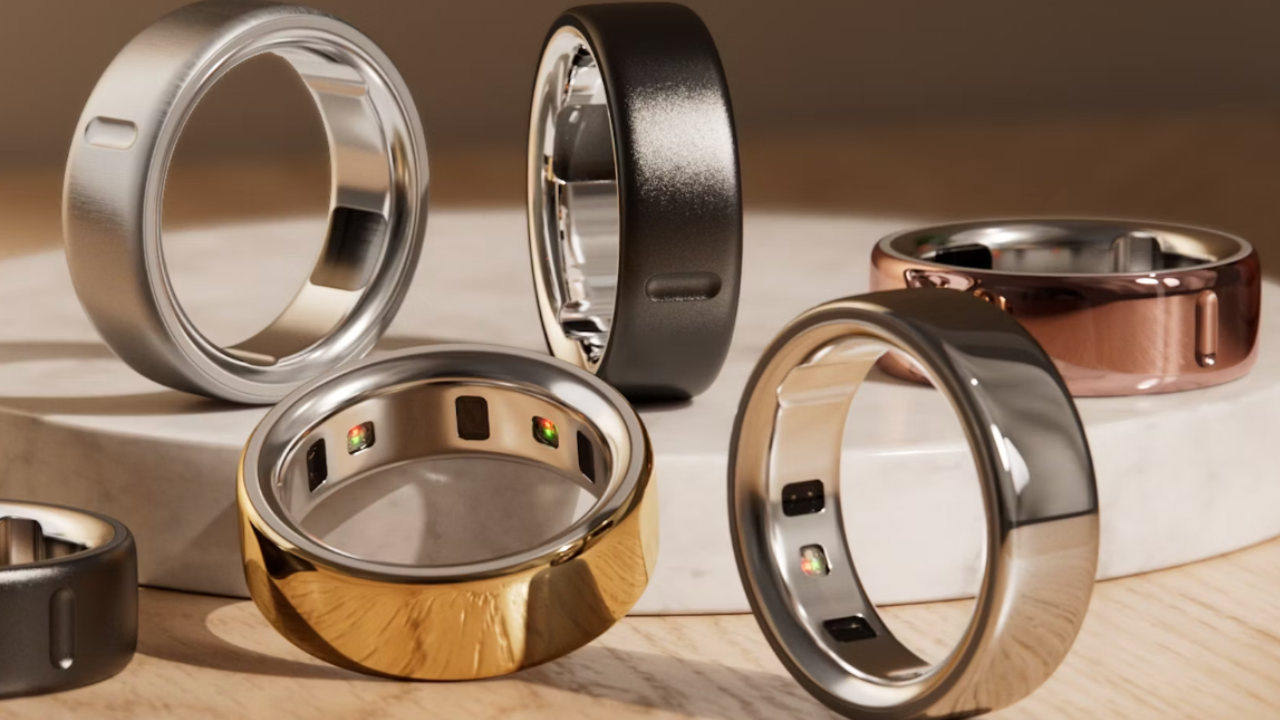
Devices like Oura Ring live here. Some smartwatch users also use Apple Watch primarily as a health monitor rather than a fitness tool.
Health wearables are quieter. They don’t demand effort. They reward consistency.
Why this distinction matters more than features
Most marketing focuses on features. Metrics. Dashboards.
But what really matters is how the device shapes your behavior.
A fitness tracker nudges you to:
-
Move more
-
Train harder
-
Optimize workouts
-
Improve performance metrics
A health wearable nudges you to:
-
Go to bed earlier
-
Notice stress patterns
-
Respect recovery signals
-
Build sustainable routines
Neither is better. They’re solving different problems.
Confusing them leads to unmet expectations.
The overlap devices (and why they’re confusing)
Some devices blur the line.
Whoop tracks strain and recovery but doesn’t show traditional workout metrics like steps or GPS routes. It’s performance-oriented, but without the usual fitness tracker interface.
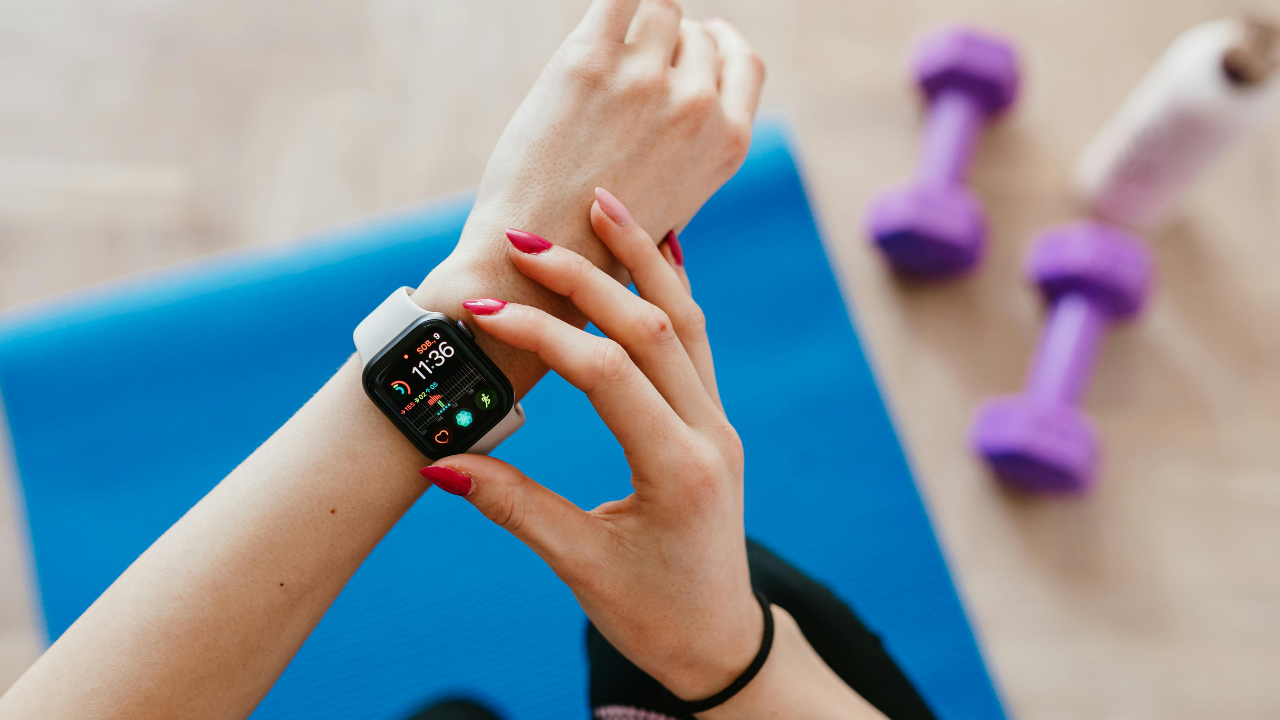
Apple Watch can function as either a fitness tracker or a health wearable, depending on how you use it — but that flexibility can overwhelm beginners.
Garmin and Polar increasingly include wellness metrics, but their core identity remains performance-driven.
Overlap isn’t a flaw. It just means you need to be honest about what you care about most.
Training data vs lifestyle insight
Here’s another useful lens:
Fitness trackers are about episodes.
Health wearables are about patterns.
A fitness tracker shines during a workout. A health wearable shines between them.
If you love reviewing sessions, splits, and performance stats, fitness trackers feel engaging. If you care more about how your body behaves across days and weeks, health wearables feel grounding.
Many people buy the former when they actually need the latter.
Who benefits most from fitness trackers
Fitness trackers tend to work best for:
-
Athletes and endurance trainers
-
People following structured workout plans
-
Users motivated by performance metrics
-
Those who enjoy active data engagement
They are less ideal if you dislike constant notifications or don’t train consistently.
Who benefits most from health wearables
Health wearables tend to work best for:
-
People focused on sleep and recovery
-
Those managing stress or burnout
-
Users who prefer passive tracking
-
Anyone interested in long-term health trends
They are not designed to replace training logs or coaching tools.
The psychological impact of each
This part is rarely discussed.
Fitness trackers can be motivating — but they can also create pressure. Missed goals feel like failure. Low scores can discourage movement rather than encourage it.
Health wearables tend to feel gentler. They emphasize awareness over achievement. For many people, that reduces friction and increases consistency.
Your personality matters here.
Choosing based on how you want to feel, not what you want to measure
A better question than “Which device has more features?” is:
What kind of feedback helps me make better decisions?
Do you respond well to challenge and metrics? Or to insight and reflection?
Do you want a coach on your wrist, or a mirror for your habits?
The answer usually points clearly to one category over the other.
What if you want both?
Some people do benefit from both — but usually not at the beginning.
Starting with one clear purpose helps you learn what data matters to you. Adding another device later makes sense once you understand your own patterns and needs.
Trying to do everything at once often leads to doing nothing at all.
Making the right decision for your life
The right device isn’t the most advanced one. It’s the one that fits into your routine without friction and helps you notice something meaningful about your body.
If training is central to your identity, fitness trackers will feel empowering. If balance, recovery, and energy matter more right now, health wearables often deliver more value.
The best wearable is the one that quietly improves your decisions — not the one that produces the most data.
Once you understand that distinction, choosing becomes much easier.