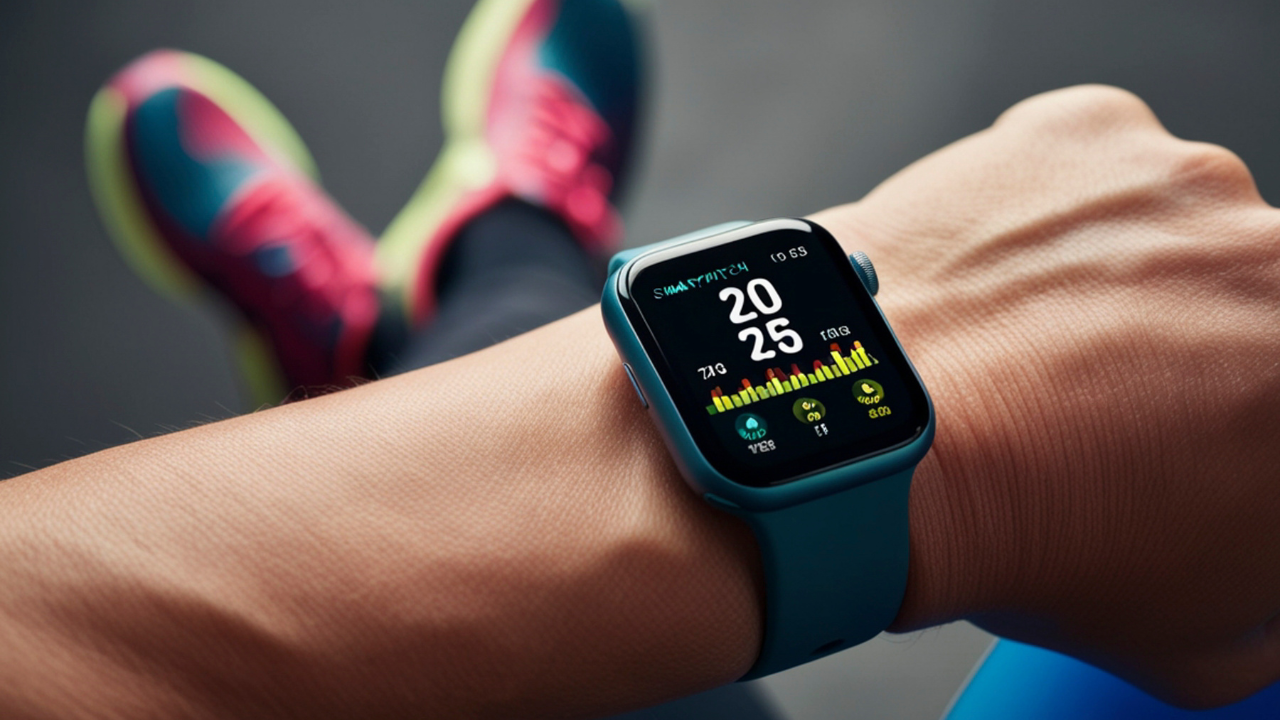
Wearables promise clarity. Numbers. Progress you can see. Steps, heart rate, sleep scores, recovery metrics, stress levels — all wrapped around your wrist in a neat, glowing dashboard.
But here’s the question most people eventually ask, sometimes quietly, sometimes after months of inconsistent data:
Can you actually trust what your wearable is telling you?
The honest answer is more nuanced than most marketing pages suggest. Fitness trackers are powerful tools. They are also imperfect measurement devices operating under real-world conditions — movement, sweat, loose straps, skin tone differences, environmental light, and human biology.
Understanding where wearables shine — and where they struggle — changes how you use them. And that often determines whether they help you improve your health or just overwhelm you with numbers.
How Wearables Actually Measure Your Body
Most wrist wearables rely on a technology called photoplethysmography (PPG). That’s a complicated word for a simple concept.
Your device shines light into your skin and measures how the light reflects back. Blood absorbs light differently than surrounding tissue. As blood pulses through your vessels with each heartbeat, the reflected light changes. The wearable converts that signal into heart rate data.
This same signal can also be used — with algorithms — to estimate breathing rate and other trends.
In clinical validation studies, PPG wrist sensors can produce heart rate measurements that are very close to medical reference monitors under controlled conditions. In one study, about 98% of heart rate measurements were within 5 beats per minute of hospital-grade equipment.
That’s impressive.
But real life is not a lab.
Heart Rate Accuracy: Usually Good, Sometimes Messy
If you wear your device correctly and you’re doing steady-state exercise, heart rate data is often very reliable.
Research comparing wearables to ECG monitoring (the medical gold standard) shows strong overall accuracy. However, performance changes depending on what you’re doing. For example:
-
Walking can cause devices to overestimate heart rate
-
Typing or wrist movement can cause underestimation
-
Sensor contact quality matters more than most users realize
These variations happen because wrist movement changes how light travels through tissue and how well the sensor sits against your skin.
For everyday health tracking, this level of accuracy is usually good enough. For medical diagnosis, it’s not sufficient. That distinction matters.
Step Counting: Surprisingly Reliable
Step tracking is one of the oldest wearable metrics. It’s also one of the most refined.
Most modern trackers use accelerometers combined with pattern recognition. They’ve been trained on massive datasets of walking patterns. As a result, step counts tend to be reasonably consistent across brands.
Where errors creep in:
-
Pushing strollers
-
Carrying groceries
-
Typing or cooking
-
Driving on rough roads
If your daily steps say 8,200 instead of 8,600, the trend still matters more than the exact number.
And that’s the mindset most researchers recommend: use wearables for direction, not precision.
Sleep Tracking: The Most Misunderstood Metric
Sleep tracking is where expectations and reality diverge the most.
Most consumer wearables estimate sleep stages using:
-
Movement patterns
-
Heart rate variability
-
Breathing signals
They are not measuring brain waves. Only EEG-based sleep studies can do that accurately.
Wearables are usually decent at detecting:
-
Time in bed
-
Total sleep duration
-
Sleep interruptions
They are weaker at detecting:
-
Exact sleep stage timing
-
REM vs deep sleep boundaries
-
Micro-awakenings
Movement and signal quality can disrupt measurements. Clinical research shows respiratory and sleep-related signals from wrist PPG can degrade significantly during movement.
That doesn’t make sleep tracking useless. It means you should watch trends across weeks, not obsess over a single night score.
Stress and Recovery Scores: Algorithm Territory
Stress scores and readiness metrics feel scientific. They are actually interpretation layers built on top of raw data like:
-
Heart rate variability (HRV)
-
Resting heart rate
-
Movement
-
Sleep duration
These scores are useful when you learn how your body behaves over time. They become less useful if you compare your numbers to someone else’s.
Your wearable is best at learning you.
Where Wearables Are Most Reliable
Wearables perform best when conditions are stable and predictable.
High reliability scenarios include:
Steady cardio exercise
Resting heart rate tracking
Step counting during normal walking
Long-term trend tracking
In these contexts, wearables can provide meaningful behavior feedback that supports habit change.
Where Wearables Struggle Most
Wearables struggle when signal quality drops or biology becomes complex.
Common weak points:
High-intensity interval training
Strength training with wrist flexion
Cold weather (reduced blood flow)
Loose strap fit
Dark tattoos under sensor
Very fast arm movement
Respiratory measurements are particularly sensitive to movement noise. Some studies show large portions of respiratory data can be discarded due to signal quality issues.
The Biggest Mistake Users Make: Treating Wearables Like Medical Devices
Wearables are behavior tools, not diagnostic machines.
The danger is psychological, not technical. People often assume precision equals truth. But a number with two decimal places can still be an estimate.
Even Harvard Health notes that wearable accuracy can shift depending on activity type and movement patterns.
If you treat your wearable like a compass instead of a microscope, you’ll get more value.
The Real Power of Wearables: Pattern Recognition
The most valuable insight from wearables comes from trend detection.
Examples:
Your resting heart rate rising over weeks
Sleep quality dropping during stressful work periods
Recovery metrics declining when training volume increases
Step counts falling during travel or illness
None of these require perfect precision. They require consistency.
How to Make Your Wearable More Accurate (Most People Don’t Do These)
Wear device higher on wrist (above wrist bone)
Tighten strap slightly during workouts
Clean sensor and skin regularly
Update device firmware
Sync data daily to prevent gaps
Small mechanical changes improve signal quality dramatically.
What Accuracy Actually Means for Everyday Users
If your wearable is:
Within ~5 bpm for heart rate
Within ~10% for step counts
Consistent night-to-night for sleep duration
It is performing well for consumer health tracking.
That level of accuracy can absolutely support:
Fitness progress tracking
Recovery awareness
Habit formation
Behavior accountability
The Future: Wearables Are Getting Smarter Fast
Research is moving toward:
Continuous health monitoring
Early illness detection
Blood pressure estimation
Atrial fibrillation detection
Metabolic tracking
PPG technology already shows strong potential for continuous vital monitoring outside hospitals.
The accuracy gap between medical and consumer devices is narrowing every year.
The Bottom Line
Fitness trackers are accurate enough to change behavior.
They are not accurate enough to replace medical testing.
And that distinction matters more than any spec sheet.
If you use your wearable to notice patterns, reinforce habits, and understand your body trends, it becomes one of the most powerful self-awareness tools available today.
If you expect lab-level precision every second of the day, you’ll eventually feel disappointed.
The smartest wearable users don’t chase perfect numbers.
They watch direction, consistency, and change over time.
That’s where the real insight with wearables lives.