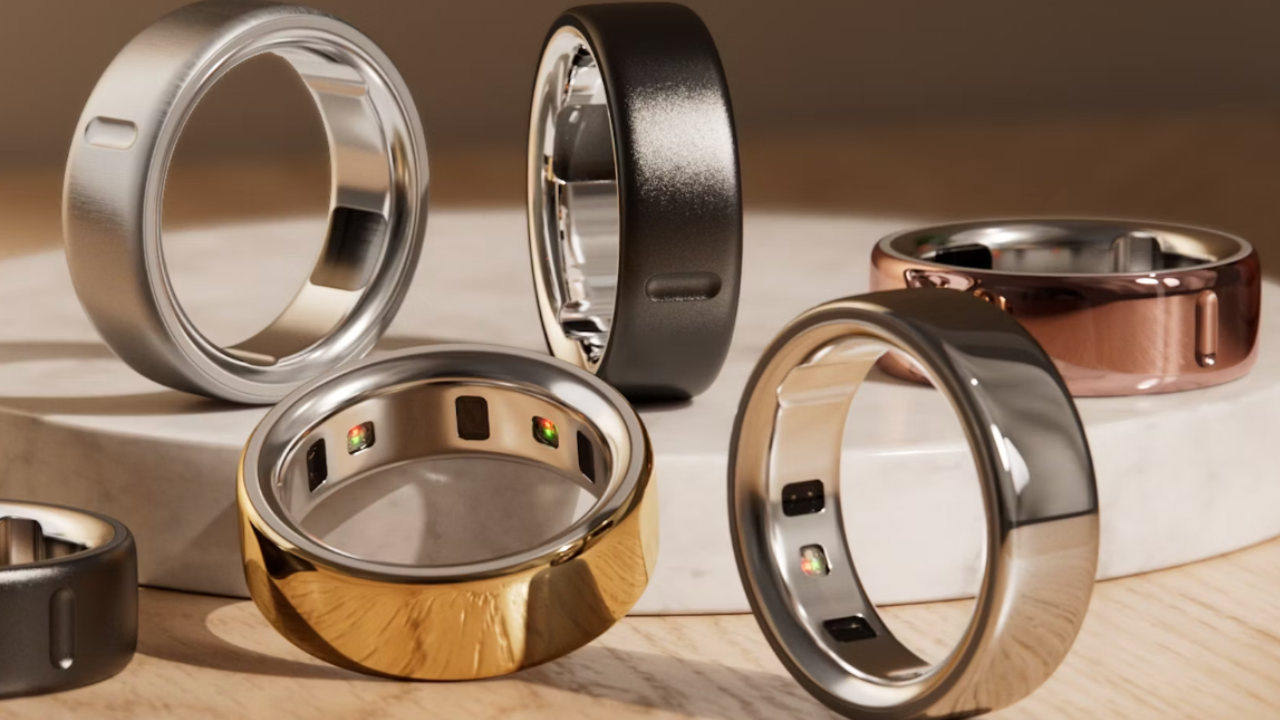
If you’re new to wearable tech, the hardest part isn’t choosing a brand. It’s figuring out what problem you’re actually trying to solve.
Most people don’t wake up thinking, I need a ring or I need a wristband. They wake up tired. Stressed. Out of shape. Unsure if their workouts are helping or hurting. Curious why they crash every afternoon. Worried their sleep “should” feel better than it does.
Wearables promise answers — but only if you understand what kind of answers each device is designed to give.
This guide is meant to slow things down. To help you think clearly before you buy. And to make sure the device you choose fits into your real life, not an idealized version of it.
What wearable tech actually does (and what it doesn’t)
At its core, wearable tech does one thing well: it turns invisible body signals into visible data.
Your heart rate, sleep stages, breathing patterns, stress responses, recovery capacity — these things are always happening. Wearables don’t create them. They measure patterns and show trends over time.
What they don’t do is fix problems automatically. A wearable won’t make you sleep earlier, manage stress for you, or suddenly make workouts effective. What it can do is give you feedback — often uncomfortable feedback — about what’s working and what isn’t.
The value comes when you use that feedback to make small, consistent changes.
The four main categories of wearable tech
Most confusion comes from lumping all wearables together. In reality, they fall into a few clear categories, each with a different job.
Fitness & performance wearables
These devices focus on movement, training, and physical output.
They track things like workouts, steps, heart rate during exercise, training load, recovery time, and performance trends. Many are designed with athletes, runners, cyclists, or structured exercisers in mind.
Examples include sports watches and performance bands from brands like Garmin, Polar, and Whoop.
These are best for people who:
-
Train regularly and want to improve performance
-
Care about metrics like VO2 max, heart rate zones, or training strain
-
Want feedback on when to push harder vs. when to rest
They are less useful if your primary goal is stress management or lifestyle awareness.
Health monitoring wearables
Health-focused wearables are about patterns over time, not workouts.
They track resting heart rate, heart rate variability (HRV), sleep quality, breathing rate, and sometimes temperature trends. The goal isn’t to optimize training, but to understand how your body responds to daily life.
Smart rings and some watches fall into this category, including devices like Oura and certain Apple Watch use cases.
These are ideal for people who:
-
Want to understand sleep, recovery, and overall health
-
Prefer passive tracking rather than manual workouts
-
Are interested in long-term trends, not daily performance scores
They’re often worn 24/7 and designed to disappear into your routine.
Sleep & recovery devices

Some wearables zoom in on what happens when you stop moving.
These tools focus on sleep depth, nervous system recovery, body readiness, and relaxation. Some are worn; others interact with your environment or nervous system directly.
They’re best for people who:
-
Feel tired even when they “sleep enough”
-
Train hard and need better recovery
-
Want to understand why energy fluctuates day to day
Not all of these devices are about numbers. Some work through physical sensations or biofeedback rather than dashboards and charts.
Stress & lifestyle wearables
This category is about how your body reacts to everyday pressure.
These devices help you notice stress responses, breathing patterns, and moments of overload — often in real time. Some guide relaxation directly; others give feedback so you can intervene yourself.
They’re especially useful for people who:
-
Feel wired, anxious, or constantly “on”
-
Want help downshifting without guesswork
-
Are more interested in calm and focus than performance
This category tends to overlap with mindfulness tools and nervous system regulation.
Matching a wearable to your actual goal
Before comparing brands or prices, ask one simple question:
What do I want to understand better about my body?
Here’s how that usually breaks down:
-
If you want to train smarter → fitness & performance
-
If you want better sleep and energy → health monitoring or recovery
-
If you want less stress and better focus → stress & lifestyle
-
If you want a bit of everything → hybrid devices (with tradeoffs)
Trying to use a performance tracker to fix stress often leads to frustration. Using a sleep ring to optimize marathon training does the same.
Clarity upfront saves money — and disappointment.
Rings, bands, watches, and “other” wearables
Form factor matters more than people expect.
Rings are passive and subtle. You wear them all the time, rarely interact with them, and review data later. Great for people who don’t want screens or constant notifications.
Bands tend to be lighter and more focused. Many prioritize recovery, strain, or specific health metrics without distractions.
Watches are powerful but demanding. They offer rich data and features, but they ask for attention — notifications, charging, updates, settings.
Specialized devices (like EEG headbands or nervous system tools) do one thing deeply. They’re not generalists, but they can be transformative for the right problem.
Your tolerance for friction matters. A device you stop wearing is worse than a “less advanced” one you use consistently.
Budget vs premium: what you’re really paying for
Higher price doesn’t always mean better outcomes. Often, you’re paying for:
-
More refined sensors
-
Better software and insights
-
Long-term trend analysis
-
Ongoing research and updates
-
App experience and usability
Cheaper devices may track similar metrics, but present them poorly — or without context. Premium devices tend to explain what the data means and how to respond.
If you’re new, clarity usually matters more than raw metrics.
The app matters more than the hardware
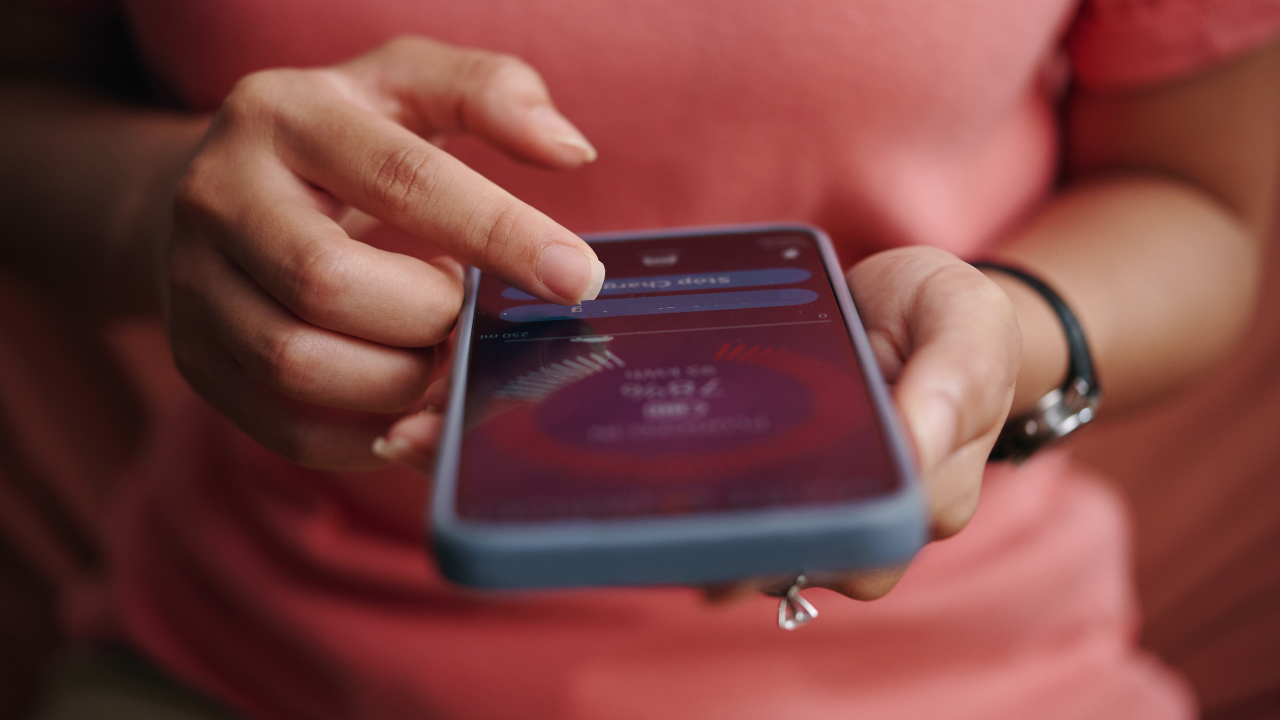
This is where many people get burned.
Most wearables collect decent data. The difference is how that data is translated into insight.
A good app:
-
Explains patterns, not just numbers
-
Highlights trends instead of daily noise
-
Encourages behavior change without guilt
-
Doesn’t overwhelm you with charts you’ll never use
When choosing a device, look at screenshots of the app. Read reviews about usability. Imagine opening it every morning. If it feels confusing now, it won’t feel better later.
Subscriptions: annoying, but not always bad
Many wearables charge monthly fees. This frustrates people — understandably.
But subscriptions often fund:
-
Ongoing feature development
-
Improved algorithms
-
Deeper personalization
-
Better long-term insights
The real question isn’t is there a subscription? It’s do I get value from what it provides?
If the app actively helps you make better decisions, the cost may be justified. If it just locks basic data behind a paywall, it may not be.
How to avoid the most common beginner mistake
The biggest mistake beginners make is expecting instant answers.
Wearables work through accumulation. Patterns emerge over weeks, not days. Sleep trends take time. Recovery signals stabilize slowly. Stress responses reveal themselves gradually.
The goal isn’t perfection. It’s awareness.
When used well, wearable tech doesn’t tell you what to do. It helps you notice what you’ve been ignoring.
Making the right choice for you
The right wearable is the one that:
-
Matches your primary goal
-
Fits into your daily routine
-
Gives feedback you understand
-
Encourages small, sustainable changes
Not the one with the most features. Not the one everyone else is wearing.
If you’re unsure, start simple. Choose one category. Learn how your body responds. You can always layer on more tools later — once you understand what you actually need.
Wearable tech isn’t about becoming optimized. It’s about becoming informed.
And that’s where real change starts.